Senior Forensic Engineers as the “Face of Testifying” or No?

Using Photographs As Notes? A Great Forensic Engineering Method!
March 19, 2026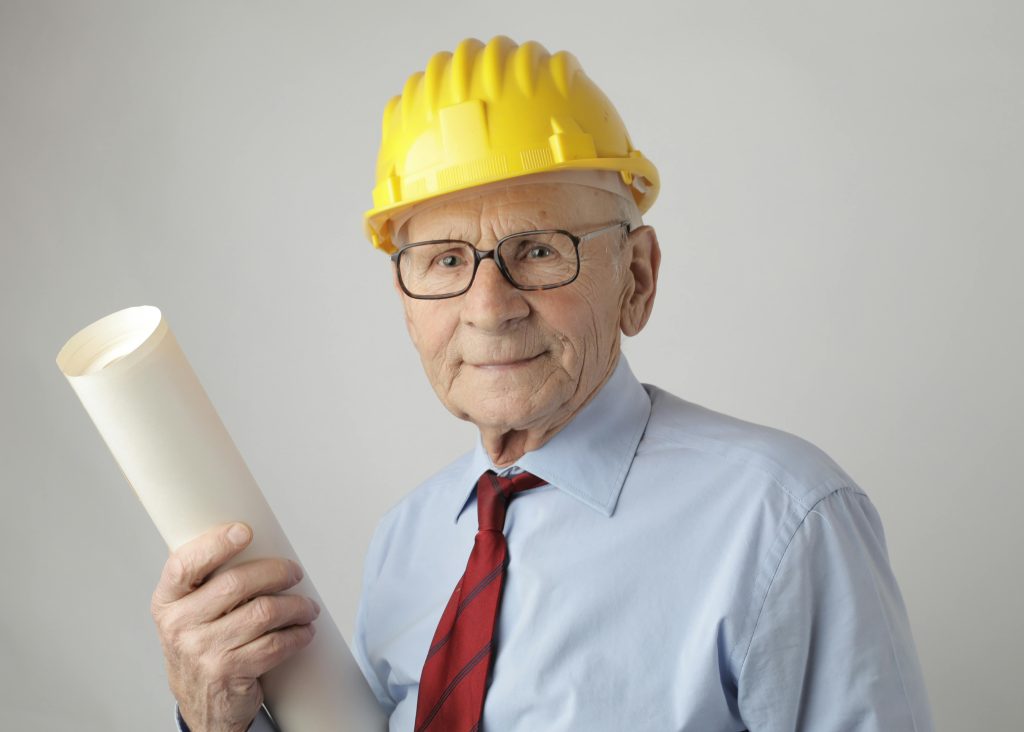
In a busy forensic, well-established forensic engineering firm, the senior engineer often becomes the courtroom face- polished, well-spoken, authoritative, and able to explain complex failures to judges or juries. They don’t need to crawl through vehicle accident wreckage or stare through microscopes for hours; instead, they rely on an efficient team of junior forensic engineers who handle the grunt work: site inspections, sample collection, lab tests, data crunching, and even drafting preliminary reports. This division keeps the senior engineer sharp for testimony—reviewing findings, spotting inconsistencies, and developing scientific conclusions that hold up under cross-examination- while avoiding burnout from fieldwork.
The junior engineers gain real-world experience fast, learning how evidence ties together without the pressure of speaking publicly. Meanwhile, the senior expert witness acts like a field general: they ask targeted questions (“Did you check for fatigue striations here?”), approve methods, and sign off on conclusions. By the time they step into court, everything’s vetted—photos are timestamped, chain-of-custody airtight, calculations double-checked—so their testimony sounds effortless. It’s efficient, protects credibility, and lets the whole team shine without anyone doing double duty.
Opposing attorneys will sometimes claim that the senior forensic engineer did not do much, did not put his or her “hands” on the crash, did not thoroughly vet the junior engineers’ work. Sometimes that is just the hazards of the position.
WHAT DO YOU THINK ABOUT THE TOPIC – Should each forensic engineer or vehicle accident reconstruction expert witness handle their own entire case from start to finish, or is it feasible for a senior engineer to do all the testifying?
www.performanceanalysisllc.com